
In recent years, more homeowners have turned their attention to fence installations as a crucial home improvement project. This shift not only reflects concerns about property security but also the desire to enhance the aesthetic appeal of homes. An effective fence can significantly boost the property's market value while fulfilling practical functions such as privacy and security. As fencing options have diversified, homeowners have recognized the multifaceted benefits ranging from reducing environmental impact to aligning with local regulations. This article explores the various factors driving this trend and how homeowners are reaping the benefits of fences in their daily lives.
1. Enhancing Property Security
a. The Rise in Property Crime Rates
Across many communities, there has been an uptick in property crime rates, prompting homeowners to seek enhanced security measures. Fencing is increasingly seen as a first line of defense against potential intruders. For homeowners, the mere presence of a well-constructed fence can act as a deterrent to would-be trespassers. Particularly in areas where properties are isolated or where visibility is a concern, fences offer a tangible sense of security. The surge in demand for fencing solutions reflects these changing dynamics as homeowners prioritize safety for their families and possessions.
b. Perceived vs. Actual Security Benefits
While fences offer a psychological comfort of safety, it's essential to differentiate between perceived and actual security benefits. A sturdy fence can significantly slow down unauthorized access, giving occupants more time to respond to potential threats. However, some deterrents may merely enhance feelings of security without offering substantial protection. Striking the right balance involves strategically selecting fence designs and materials that provide verified security advantages. As homeowners grow more conscious of these distinctions, many are investing in more robust fencing options, contributing to the market's growth.
c. Variety of Security Fence Options
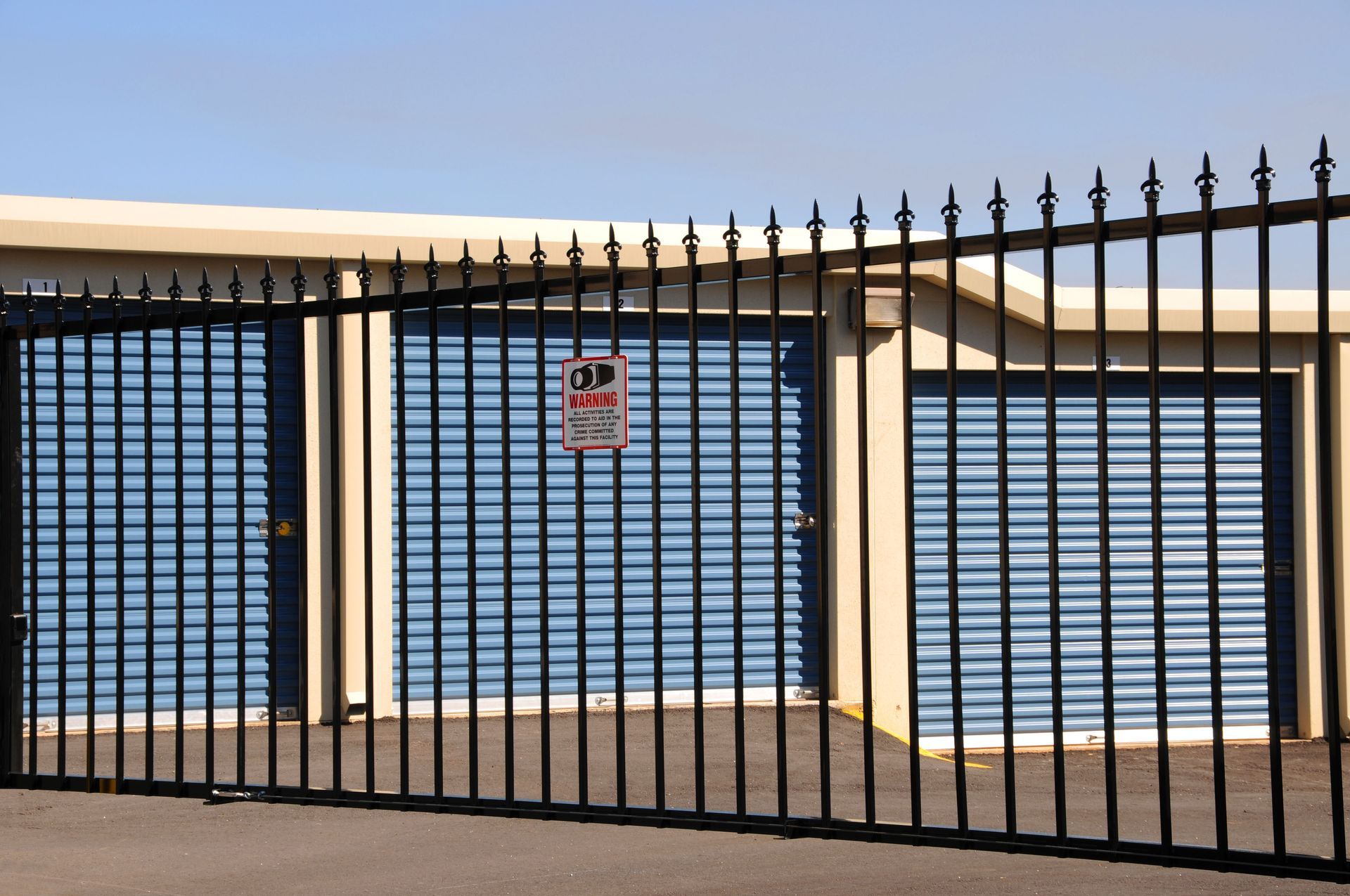
The variety of fence options available today allows homeowners to select solutions that best suit their security needs. Traditional wooden fences, though popular for their aesthetic value, may not offer the same security level as steel or wrought iron fences. Chain-link and ornamental metal fences provide robust security solutions without compromising on visibility. Additionally, high-tech fences equipped with sensors and alarms are emerging as sophisticated options for homeowners seeking advanced security systems. These diverse choices reflect the evolving priorities of security-conscious homeowners.
d. Integration with Technological Security Systems
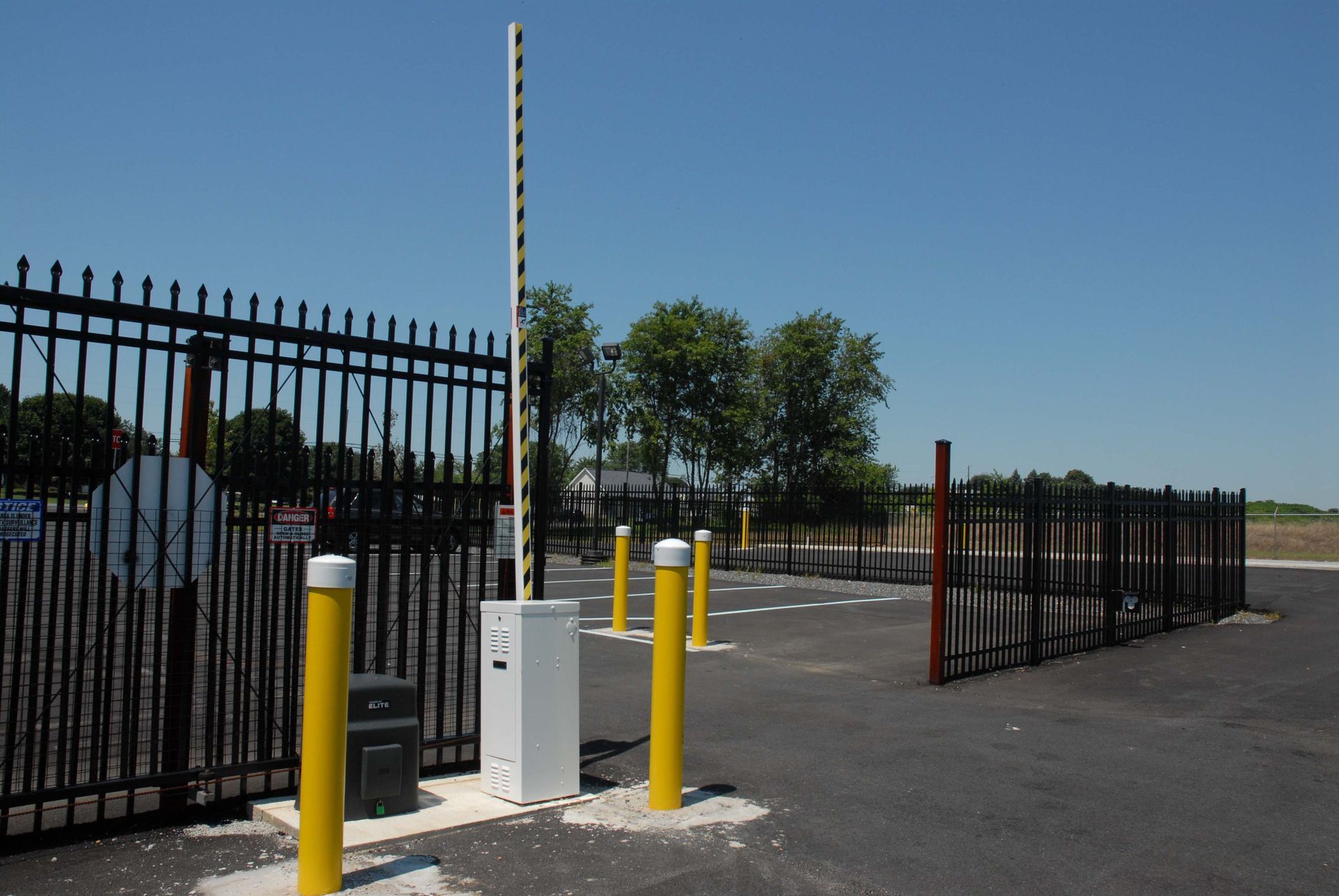
The modern approach to home security often involves integrating fences with technology-enhanced systems. Many homeowners now pair their fences with motion detectors, CCTV cameras, and automated gate systems to create comprehensive security solutions. This integration not only deters unauthorized access but also provides real-time surveillance and remote monitoring capabilities. As technology evolves, smart fencing systems are expected to become more prevalent, offering even greater security benefits for homeowners. The trend highlights a growing industry emphasis on combining traditional security measures with advanced technological solutions.
e. Case Studies on Improved Security
Real-world examples demonstrate the effectiveness of fences in enhancing home security. In one suburban neighborhood, homeowners who invested in high-security fences reported a noticeable drop in attempted break-ins. Another case study revealed that properties with integrated security features, such as alarm-linked fences, had fewer incidents of theft and vandalism. These cases underscore the tangible security benefits that fences can provide beyond just an aesthetic enhancement. As these success stories circulate, more homeowners are likely to view fence installation as a vital aspect of residential security.
2. Increasing Privacy for Homeowners
a. The Need for Privacy in Densely Populated Areas
With rising urbanization, the demand for personal privacy has become increasingly significant for homeowners. In densely populated neighborhoods, privacy fences offer a respite from the prying eyes of passersby and neighbors. These fences create a personal sanctuary, allowing homeowners to enjoy their outdoor spaces without unwanted intrusions. As city living grows more compact, the role of fences in providing privacy becomes ever more critical. Homeowners are recognizing the value of privacy, driving an uptick in demand for taller, more secluded fencing options.
b. Comparative Analysis of Privacy Fence Materials
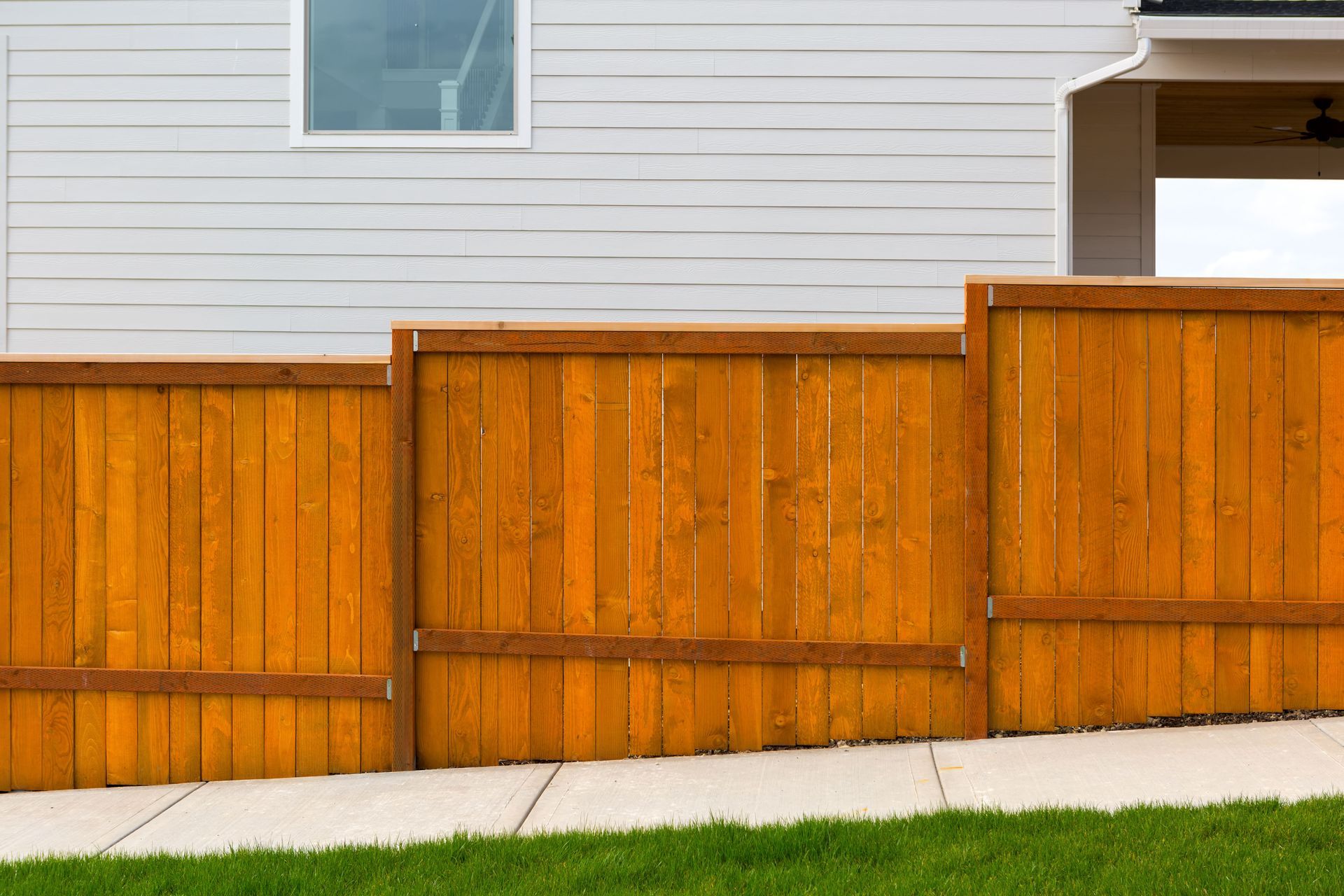
When it comes to privacy fencing, the choice of materials plays a pivotal role in determining effectiveness and visual appeal. Wooden fences remain a popular choice for achieving privacy, thanks to their solid constructions and traditional charm. Meanwhile, vinyl and composite materials offer low-maintenance alternatives with similar privacy benefits. For eco-conscious homeowners, bamboo and living fences provide green solutions that blend beauty with functionality. A comparative analysis reveals that the choice of material can significantly impact the privacy, durability, and cost of a fencing solution.
c. Landscaping Enhancements with Fences
Beyond their security and privacy functions, fences can enhance a property's landscaping by delineating spaces and adding visual interest. Homeowners often use fences to define garden boundaries, creating distinct zones for leisure, play, and planting. Attractive fence designs can serve as focal points in landscaping, complementing natural features and architectural elements. Incorporating climbing plants or decorative lights can further blend fences with the landscape, creating a harmonious outdoor environment. Thus, fences are not only functional but also play a critical role in enhancing the overall aesthetic of property grounds.
d. Long-term Privacy vs Maintenance
While privacy is a key driver for fence installations, considerations around long-term maintenance are equally important. Wooden fences, for example, require periodic staining or painting to maintain their appearance and structural integrity. Conversely, vinyl fences offer the advantage of minimal upkeep, retaining their look with basic cleaning. Balancing the need for privacy with maintenance demands involves evaluating different materials and styles to ensure longevity and cost-effectiveness. Homeowners are increasingly choosing options that align with their lifestyle needs, prioritizing those that offer lasting privacy with the least hassle.
e. Emotional and Psychological Benefits of Privacy
The psychological benefits of privacy provided by fences extend beyond just physical separation. For many homeowners, a fenced-in yard offers a sense of retreat and personal space, contributing to overall mental well-being. This sense of enclosure can provide comfort, security, and a critical separation from the bustle of daily life. Fences allow for private gatherings and family activities without disruption, enhancing the enjoyment of home spaces. As such, the emotional benefits of privacy are often a compelling factor in homeowners' decisions to invest in fencing solutions.
3. Boosting Property Aesthetics
a. Design Trends in Fencing
As the U.S. fencing market continues to expand at a CAGR of 5.0% from 2022 to 2030, according to Grand View Research, design trends are evolving to meet diverse homeowner tastes. From minimalist and modern styles to rustic and traditional looks, fences today are about balancing aesthetics with functionality. Sleek metallic designs and mixed-material fences reflect a shift toward contemporary architectural styles. Furthermore, bold colors and intricate patterns are being integrated to make fencing solutions stand out. As homeowners seek to enhance curb appeal, design innovations ensure that fences remain an integral part of exterior decor.
b. Customization Options Available
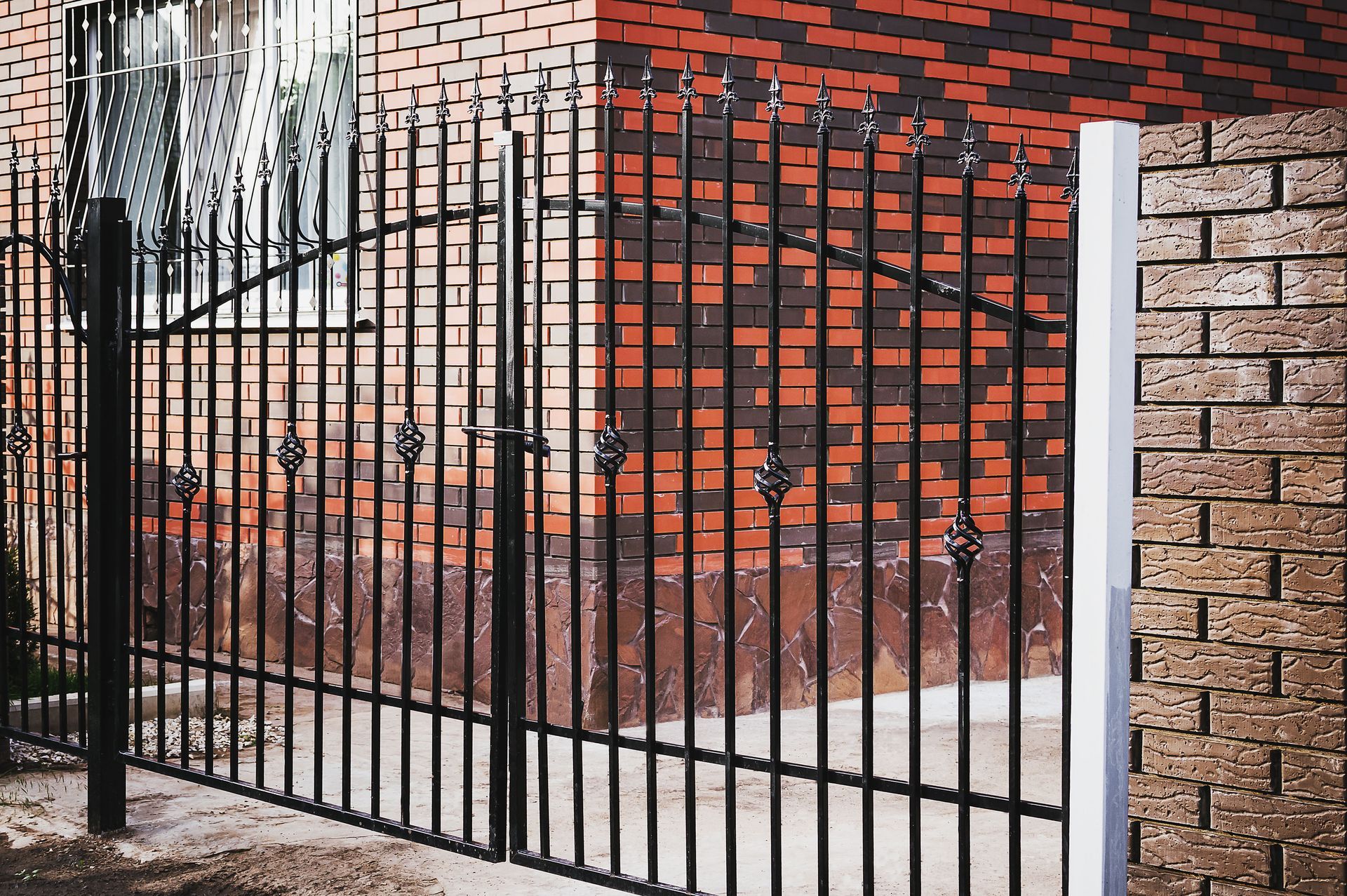
Customization options in fencing have broadened to cater to personalized aesthetics and functional needs. Homeowners can choose from a variety of colors, materials, and designs to create a unique fence that complements their property. Innovations like laser-cut designs and modular panels allow for individualized creativity, transforming fences into personalized art pieces. Custom gates and decorative motifs can further enhance fence appeal, aligning with the broader theme of a home's exterior. This trend towards customization underscores the role of fences as both functional structures and expressions of personal style.
c. Balancing Aesthetics with Functionality
While aesthetic appeal is a vital consideration, functionality remains paramount in fence design decisions. Homeowners must align their design choices with practical needs, such as security, privacy, and boundary demarcation. Landscape architects often recommend designs that maximize both aesthetic appeal and functionality without compromising on either. Selecting materials that enhance beauty while offering durability is crucial for achieving a harmonious balance. This integrated approach ensures that fences serve as practical solutions while elevating the property's visual appearance.
d. Role of Fences in Themes and Styles
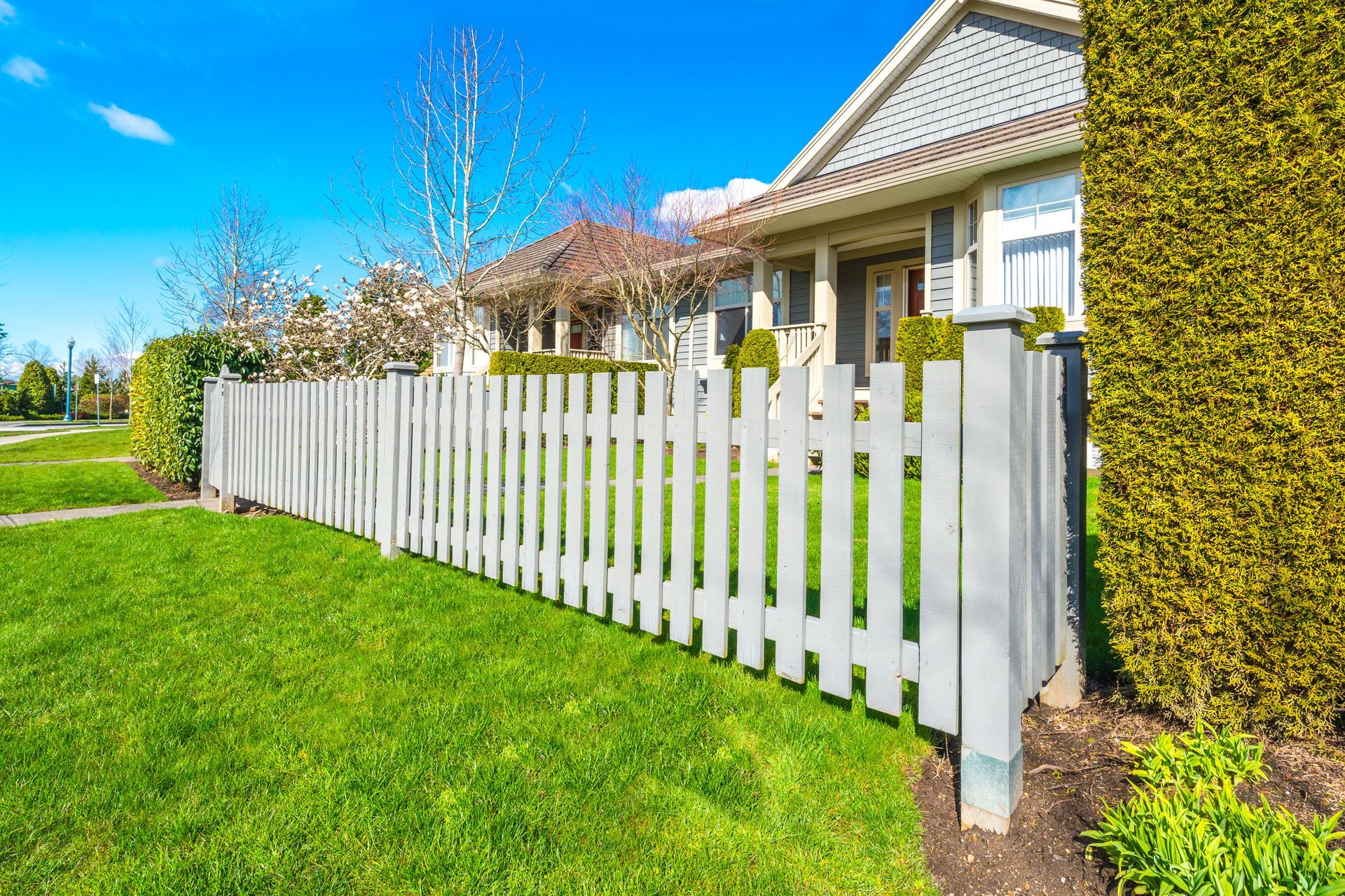
Fences play an instrumental role in defining the overall theme and style of residential properties. In properties with a traditional or vintage theme, wooden picket fences can accentuate and blend with historical architectural features. Conversely, sleek metal or glass fences can complement minimalist designs, enhancing a modern or industrial look. Fences can also highlight regional architectural styles, such as Southwest-inspired adobe homes paired with rustic wooden fences. By selecting fencing styles that reflect the property's architectural theme, homeowners can ensure cohesion and enhance residential appeal.
e. Impact on Neighborhood and Community Appeal
The aesthetic contribution of fences extends to neighborhood and community appeal, influencing overall property values and attractiveness. Well-maintained fences contribute to a cohesive neighborhood appearance, fostering a pleasant community environment. When multiple homes adopt complementary fencing styles, the collective appeal can significantly boost the area's desirability. Fences that align with community standards or themes can elevate neighborhood charm and curb appeal. As such, homeowners investing in stylish and well-maintained fences not only enhance their property but also contribute to the broader community's visual allure.
4. Increasing Property Value
a. Economic Analysis of Fence Installation ROI
Investing in fence installations can offer a significant return on investment (ROI) by enhancing property value. Economic analyses indicate that properties with well-constructed and aesthetically pleasing fences attract higher market values. Prospective buyers often perceive such properties as more secure, private, and visually appealing, justifying higher price points. Furthermore, the longevity and low maintenance of certain materials, like vinyl or metal, ensure sustained property value over time. As a result, fences are increasingly seen as a prudent investment for homeowners aiming to maximize property appreciation.
b. Influence on Marketability and Selling Speed
Beyond increasing property value, fences can significantly influence a property's marketability and speed of sale. In competitive real estate markets, attractive fencing can serve as a distinguishing feature that attracts potential buyers. Properties with well-designed fences tend to photograph better, making them more appealing in online listings. This enhanced curb appeal often translates into quicker selling times, reducing the duration properties spend on the market. Consequently, fence installations are viewed as strategic improvements that enhance the overall marketability of real estate.
c. Comparisons with Other Home Improvements
When compared to other home improvement projects, fence installations offer unique benefits that appeal to both current homeowners and future buyers. While kitchen or bathroom remodels often require significant investments, fence installations typically offer a more affordable improvement option with substantial impact. Unlike interior renovations that might not suit everyone's taste, fences have the advantage of universal external appeal. Additionally, while interior projects may remain hidden during viewings, fences are immediately visible and influence the first impression of a property. This comparative analysis highlights why fences are becoming a preferred home improvement for many homeowners.
d. Realtor Perspectives on Fencing
From a realtor's perspective, fences are critical elements that can enhance a property's listing potential and sale prospects. Real estate professionals often recommend fence installations to improve privacy and boundary definitions essential for market appeal. Realtors acknowledge that fences can make properties more attractive to buyers who prioritize safety, privacy, and aesthetics. In assessments, realtors often highlight high-quality fencing as a selling point, reflecting their perceived value in real estate markets. As these perspectives become more widely recognized, the prevalence of fence installations is expected to rise in property sales strategies.
e. Tax Implications and Assessments
Installing a fence can have implications for property tax assessments, depending on the locality and fence type. In some regions, substantial improvements to property exteriors, like fence installations, may trigger a reassessment, potentially increasing property taxes. Homeowners should research local taxation rules and consult with property tax experts to understand potential impacts. However, in many cases, the long-term benefits and value increases of a fence outweigh any temporary tax implications. By strategically planning fence installations, homeowners can optimize tax outcomes while enjoying enhanced property value and marketability.
5. Compliance with Local Regulations
a. Understanding Zoning Laws and Restrictions
Complying with local zoning laws and restrictions is a crucial step in the fence installation process. Homeowners need to familiarize themselves with municipal regulations regarding fence height, location, and material usage to avoid potential infractions. In many areas, zoning laws dictate specific types of fences permissible in residential zones, often aimed at maintaining community aesthetics. Non-compliance with local codes can result in hefty fines and mandated removal of non-conforming fences. Understanding these regulations is therefore vital for homeowners to ensure lawful and effective fence installations.
b. Navigating Permits and Approvals
Obtaining the necessary permits and approvals is a vital aspect of the fence installation process. Depending on the locality, installing a fence may require permits to ensure compliance with established building codes. Homeowners should engage with municipal planning departments to understand required steps and timelines for securing approvals. Complexity and cost of permit processes vary, and failing to secure the appropriate permits can lead to legal complications. By navigating these requirements diligently, homeowners can facilitate smooth installation processes while adhering to community regulations.
c. Homeowner Association Guidelines
For those living in communities with homeowner associations (HOAs), adherence to covenant guidelines is essential when installing fences. HOA regulations often stipulate specific fence styles, heights, and colors to maintain neighborhood uniformity and appeal. Homeowners should review these guidelines before planning a fence installation to avoid potential disputes or financial penalties. Engaging with HOA boards early in the process can help clarify expectations and gain necessary approvals, ensuring compliant and harmonious additions. Understanding these guidelines helps homeowners avoid conflicts and ensures successful fence projects within community parameters.
d. Addressing Neighborhood Concerns
Open communication with neighbors can prevent conflicts when planning a fence installation. Discussing plans with adjacent property owners can help address shared concerns about boundary lines, aesthetics, and potential impacts. Maintaining good relationships can lead to collaborative solutions and approvals, facilitating smoother installation processes. Involving neighbors early can foster goodwill and ensure that fence designs complement the broader community aesthetic. By proactively addressing neighborhood concerns, homeowners can implement fence projects that enhance their property while maintaining positive relations with the community.
e. Legal Implications and Consequences
Non-compliance with local regulations and guidelines can lead to significant legal ramifications for homeowners. Unapproved fence installations may lead to lawsuits, forced removal, or fines, emphasizing the importance of understanding legal requirements. Homeowners should consult with local authorities and legal experts to ensure full compliance and navigate potential liabilities. Addressing legal considerations can prevent costly mistakes and ensure smooth project completion. By aligning with local legal requirements, homeowners can confidently enhance their properties with well-constructed and compliant fence installations.
6. Responding to Environmental Concerns
a. Sustainable and Eco-Friendly Material Choices
As environmental awareness grows, homeowners are increasingly prioritizing sustainable materials in fence installations. Eco-friendly options like recycled metal, sustainably sourced wood, and composite materials provide environmentally responsible solutions. Choosing natural treatments over chemical sealants further minimizes ecological impact while maintaining material longevity. These sustainable choices demonstrate a commitment to reducing environmental footprints while benefiting from durable and attractive fencing. The shift towards eco-friendly materials highlights how fencing choices reflect broader environmental consciousness among homeowners.
b. Fences and Natural Habitat Preservation
In fencing projects, consideration of natural habitats is critical to maintaining biodiversity and ecological balance. Homeowners can minimize habitat disruption by selecting designs that support wildlife passage and avoid barriers to local fauna movement. Incorporating plant-friendly designs, such as living fences, can enhance habitats by providing shelter and food resources for native species. Sustainable fence projects emphasize respect for local ecology, preventing detrimental effects on surrounding natural environments. By prioritizing habitat preservation, homeowners contribute to healthier ecosystems while enhancing their properties.
c. Recycled and Upcycled Fencing Solutions
Innovative recycling and upcycling practices offer exciting opportunities for environmentally conscious fence installations. Homeowners are increasingly exploring creative uses for salvaged materials such as reclaimed wood or repurposed metal. Upcycling reduces waste while providing unique, aesthetically appealing fencing solutions that reflect individual creativity. Such projects emphasize sustainability, turning discarded materials into valuable resources for home improvement. As recycled and upcycled options gain popularity, they highlight a shift towards resource-efficient practices in the fencing industry.
d. Long-term Environmental Impact Considerations
Understanding the long-term ecological impacts of different fencing options is crucial for environmentally responsible choices. Materials like vinyl, while durable, may involve significant environmental costs in production and disposal. Conversely, sustainably harvested wood or biodegradable composites offer reduced long-term environmental impacts. Considerations of material lifecycle, from sourcing to afterlife, help homeowners assess the overall ecological footprint of their fences. This holistic evaluation ensures that homeowners make informed choices that align with their environmental values and commitments.
e. Balancing Aesthetic Needs with Environmental Responsibility
For many homeowners, achieving a balance between aesthetic needs and environmental responsibility is a priority in fence projects. Choosing visually appealing materials does not have to come at the expense of ecological mindfulness. With the rise of green building practices, many homeowners are identifying materials that fulfill both aesthetic desires and sustainability goals. Leveraging innovations in eco-friendly fencing enables designs that are both beautiful and kind to the planet, reflecting a modern, responsible approach to home improvement. This balance positions homeowners as leaders in promoting sustainability through thoughtful and considered fencing solutions.
Fencing installations among homeowners are on the rise for a multitude of reasons, including enhanced security, increased privacy, and aesthetic appeal. The importance and relevance of fence installations cannot be overstated. If you're looking for fence installation services, contact Royce Bravo Security and Access Control today.