
Understanding how a fence installation can affect your property’s value is essential for homeowners looking to make smart, long-term investments. Beyond improving privacy and curb appeal, a well-designed fence can offer a meaningful financial return. According to FastExpert, homeowners see an impressive average ROI of 50% to 70% on fence installs. This article explores how different fencing styles, materials, and design choices influence home value, along with key considerations for maximizing your return on investment.
The Importance of Curb Appeal
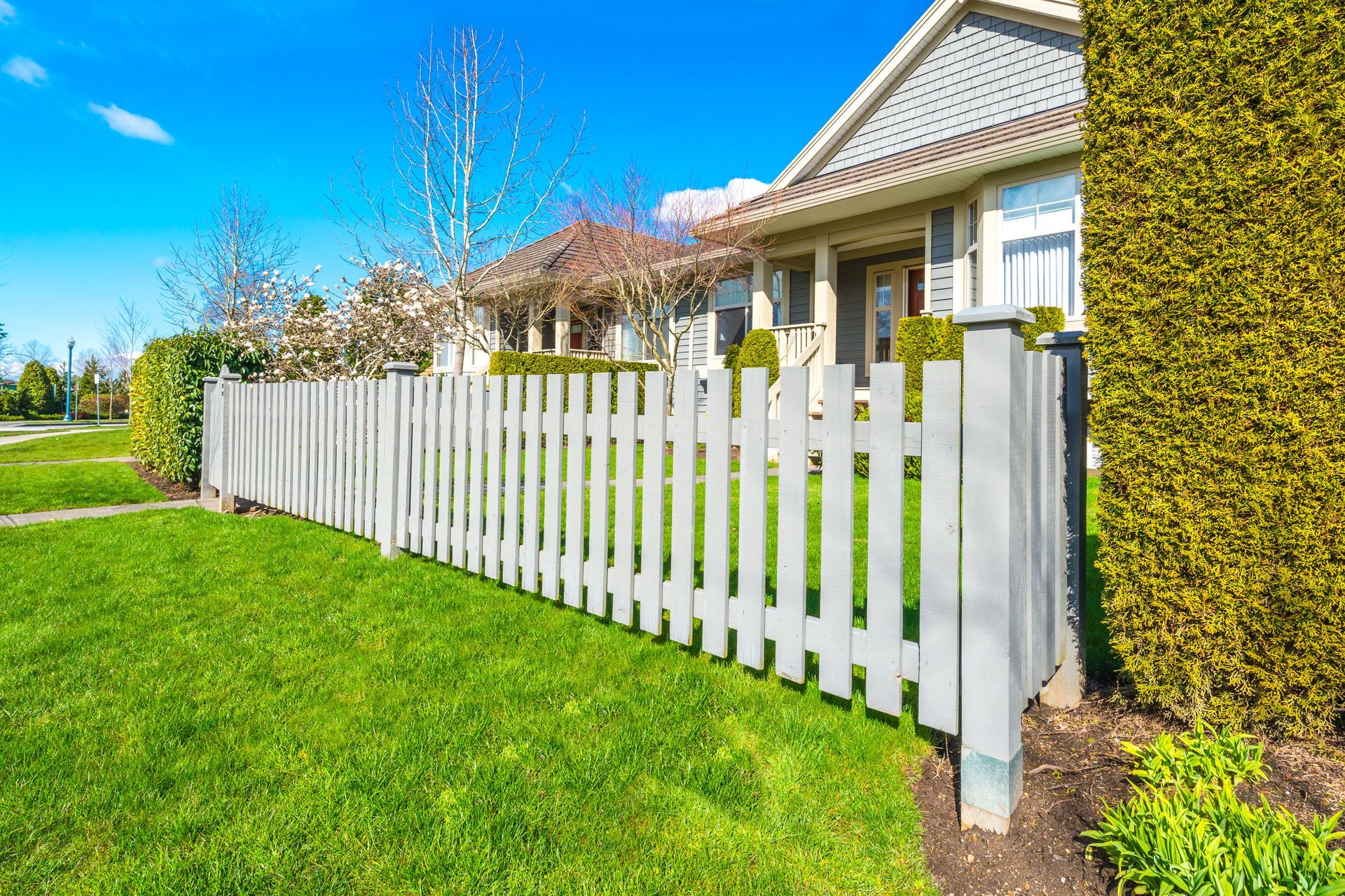
First impressions are crucial when it comes to real estate, and a fence can be a significant contributor to the curb appeal of a property. A well-maintained and aesthetically pleasing fence sets the tone for the rest of the home. It can create a welcoming feeling, making potential buyers more inclined to venture further and explore your property. Fences serve as a frame to your house; if they're attractive and well-integrated with the surroundings, they add to the perception of value. Attractive fence installations can charm both onlookers and prospective buyers, improving their immediate perception of your property.
The aesthetic quality of a fence can greatly impact a home's appeal. Different styles, from classic wooden pickets to modern steel designs, offer diverse visual elements that can enhance the architectural features of a house. The impact of a stylish fence should not be underestimated, as it contributes to the overall coherence of a home's exterior. This aesthetic synchronization not only makes the property look more put-together but also creates an inviting feeling. Thus, a carefully chosen fence design can significantly enhance the aesthetic value of a home, leading to higher property evaluations.
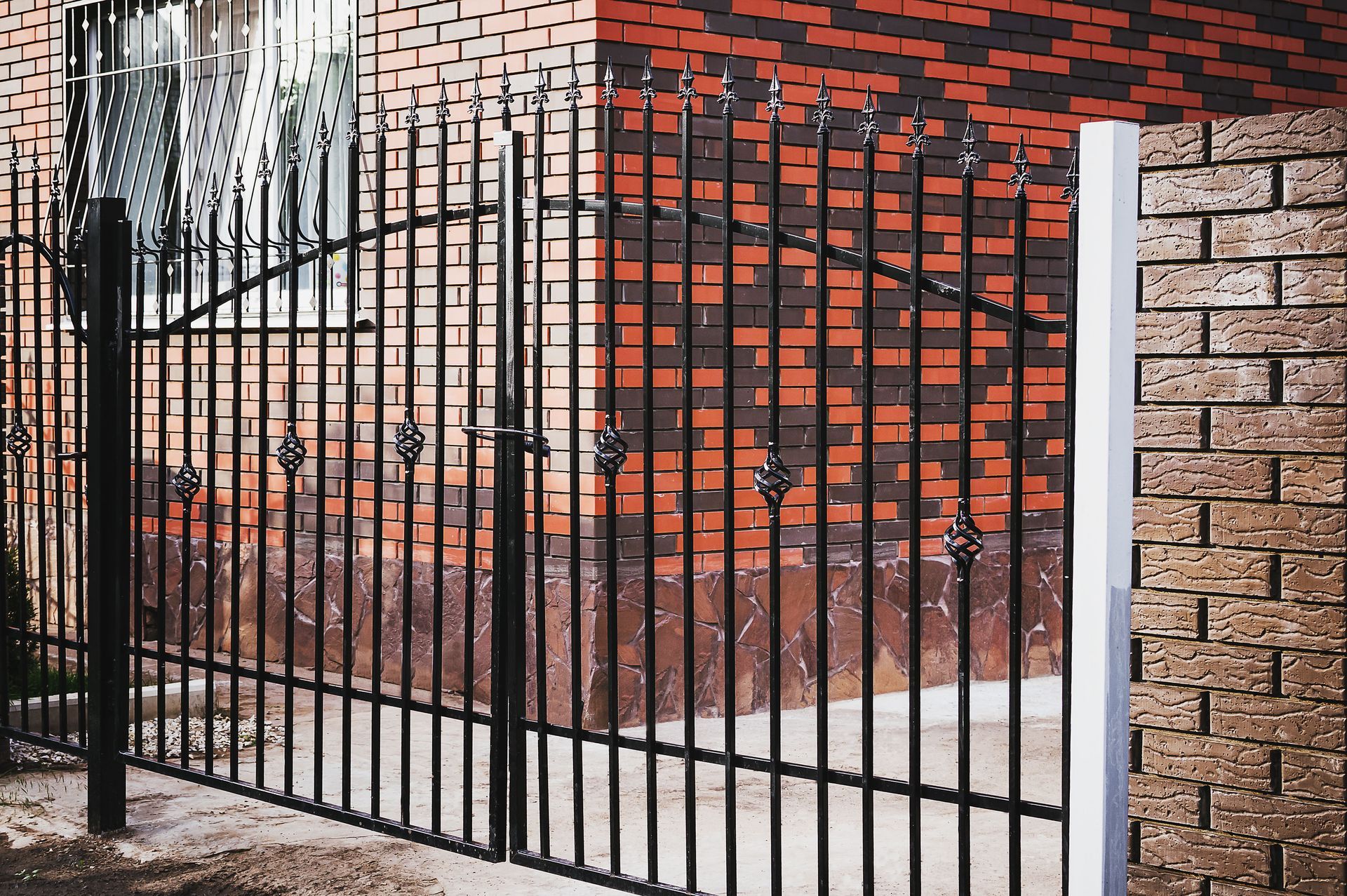
When a fence complements the architectural style of a home, it creates a harmonious appearance that appeals to potential buyers. For example, a Victorian home may benefit from an ornate iron fence, whereas a modern property might suit sleek horizontal wood slats. The idea is to choose a fence that enhances and mirrors the stylistic elements of the home. This integration shows attention to detail and can create a seamless transition from exterior to interior spaces. By doing so, the property becomes more attractive, thereby increasing its market value.
A well-designed fence can also foster a welcoming atmosphere that appeals to both guests and residents. The space enclosed by the fence can feel secure and cozy, making outdoor areas more inviting for relaxation or entertainment. This personal and inviting space assures potential buyers of a home that offers both comfort and warmth. The psychological benefits of a welcoming environment can tip the scales in a competitive market. By focusing on creating an inviting exterior, homeowners can significantly enhance the appeal of their property.
Maintaining neighborhood aesthetics is important for property value. A fence that aligns with established neighborhood patterns can elevate the general appeal of the area. Consistency in fencing styles can discourage property buyers who might have preferred the uniqueness, but for most, it conveys a sense of unity and community. When every home in a neighborhood showcases complementary designs, it enhances overall property valuations for the entire area. For homeowners, contributing to neighborhood consistency can be a strategic move in maximizing home value.
Privacy and Security: Critical Factors in Valuation
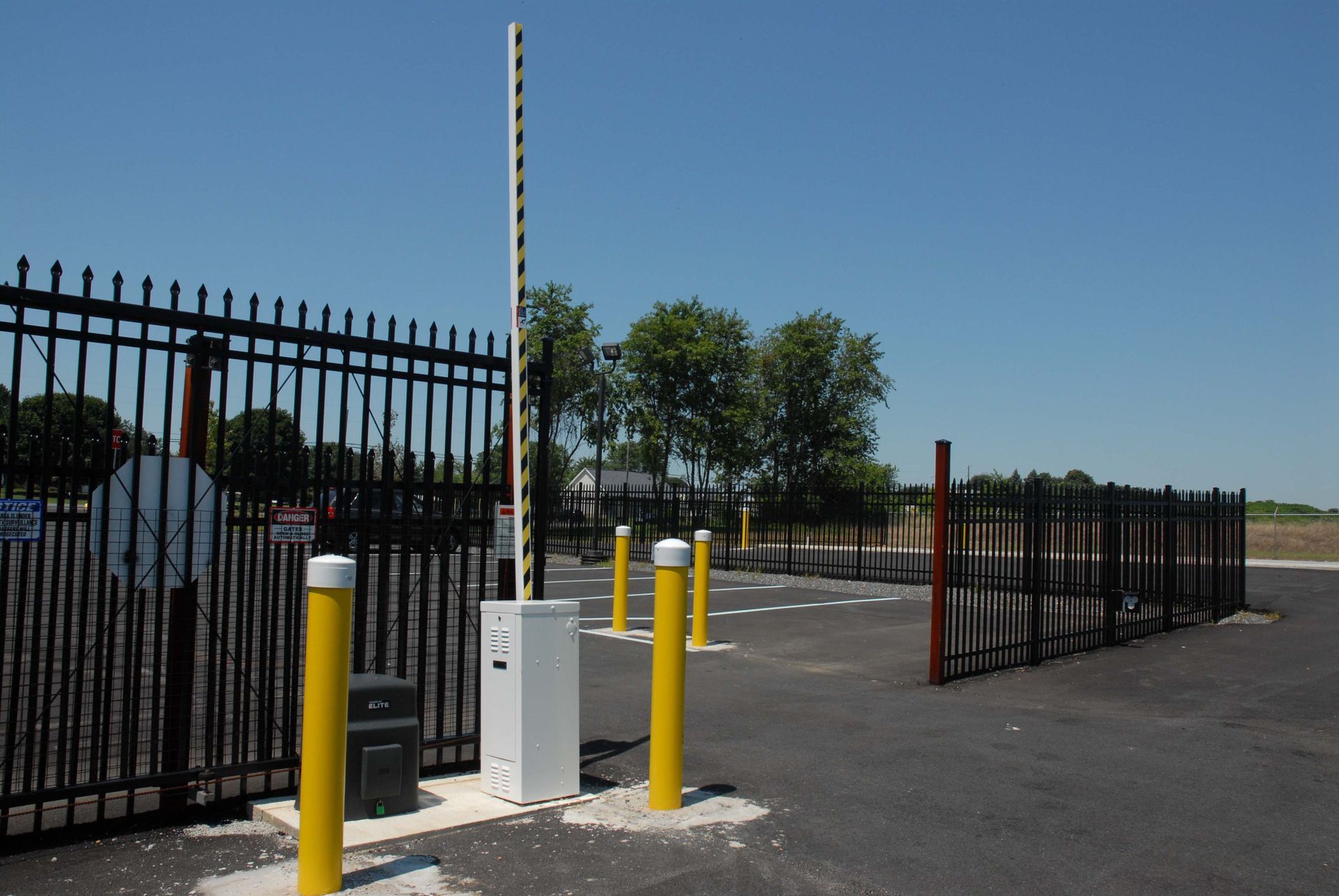
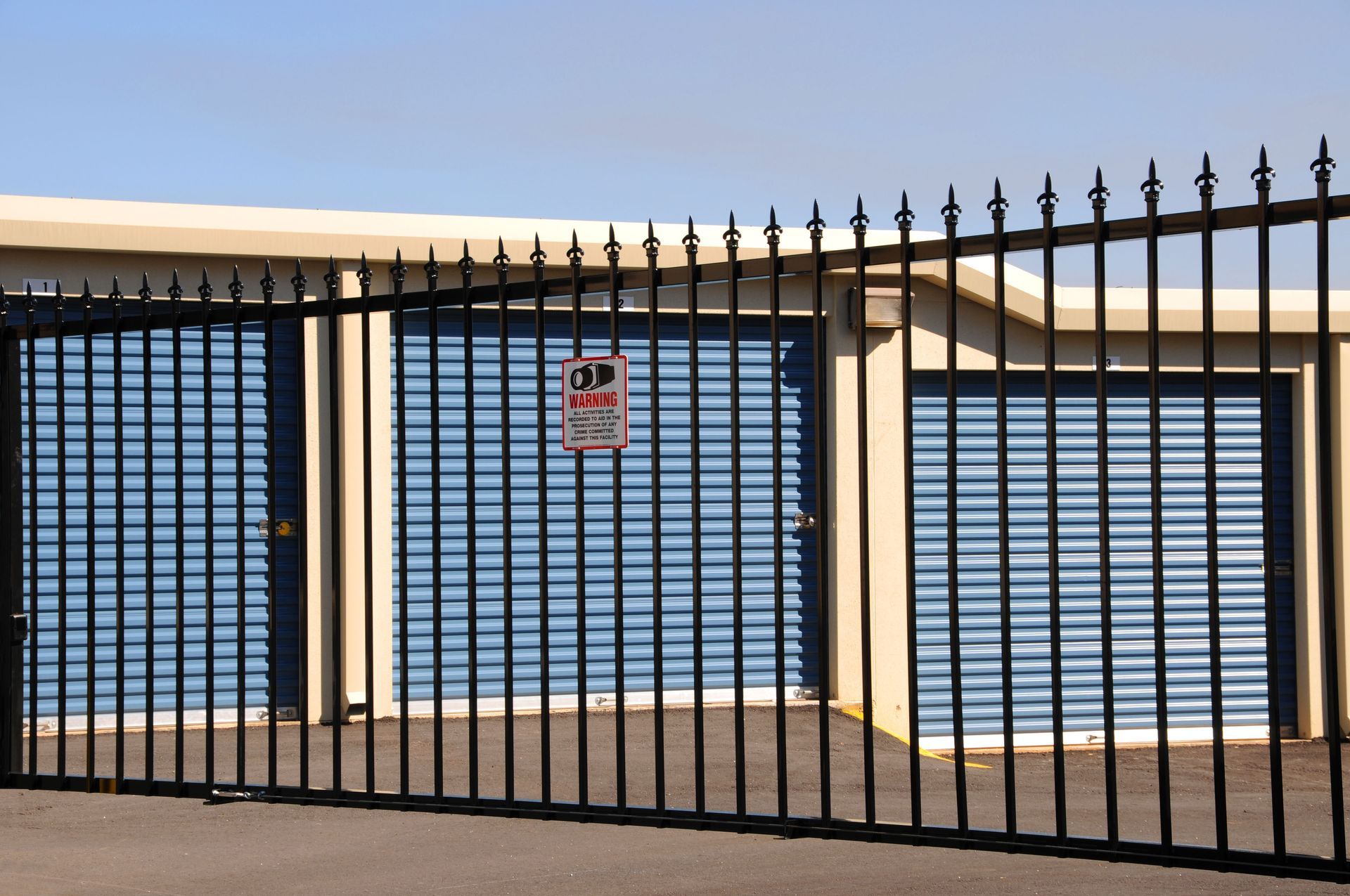
A well-installed fence can enhance the perception of safety, an important factor for many homebuyers. The presence of a sturdy, tall fence can deter intruders and maintain the privacy of the home. Homeowners can take comfort knowing their personal space is fortified against potential threats. Safety is a critical consideration, often driving property values higher and making the home more attractive to families. Additionally, a secure environment can promote a better quality of life, making it invaluable for prospective buyers.
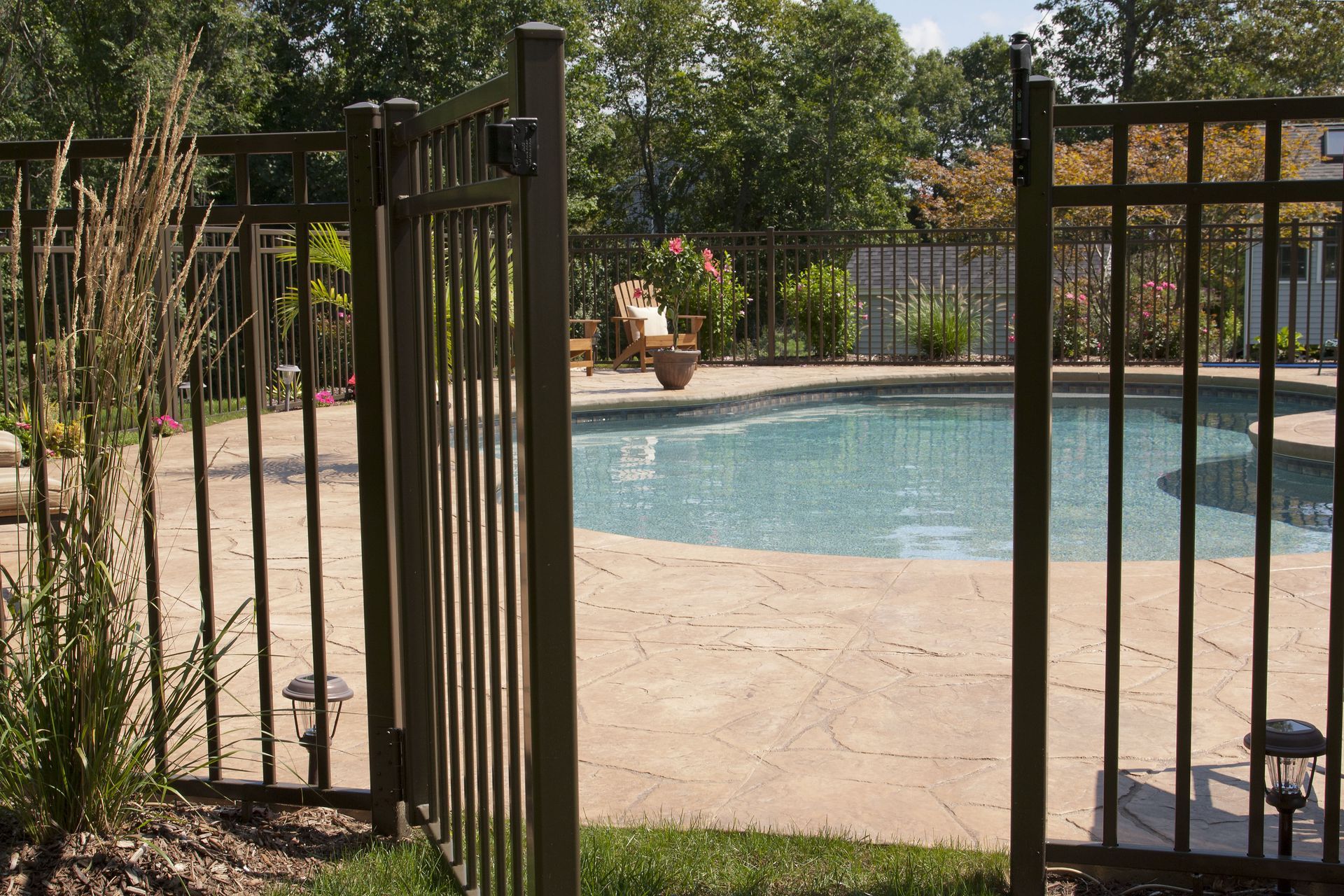
Privacy is often a top priority for homeowners, and the right fence can provide seclusion from nosy neighbors or busy streets. With an effective fence, outdoor activities can be enjoyed without the prying eyes of passersby. A private backyard is a valuable asset for families and individuals who value their solitude. Such exclusive use of space is appealing to future buyers, often leading to improved residential satisfaction. Therefore, installing a fence that prioritizes privacy could be a prudent measure for enhancing property appeal.
Besides offering privacy, a fence also acts as a deterrent against unwanted intrusion. A robust fence can significantly reduce the risk of unauthorized entry, which is particularly beneficial in urban environments. The sight of a sturdy barrier complicates intruders' efforts, making them think twice before attempting any unlawful activities. Additionally, the mere presence of a fence can lower insurance rates, as it reduces the risk factors associated with property insurance. Thus, a fence that deters intrusions provides peace of mind and could be critical in increasing home value.
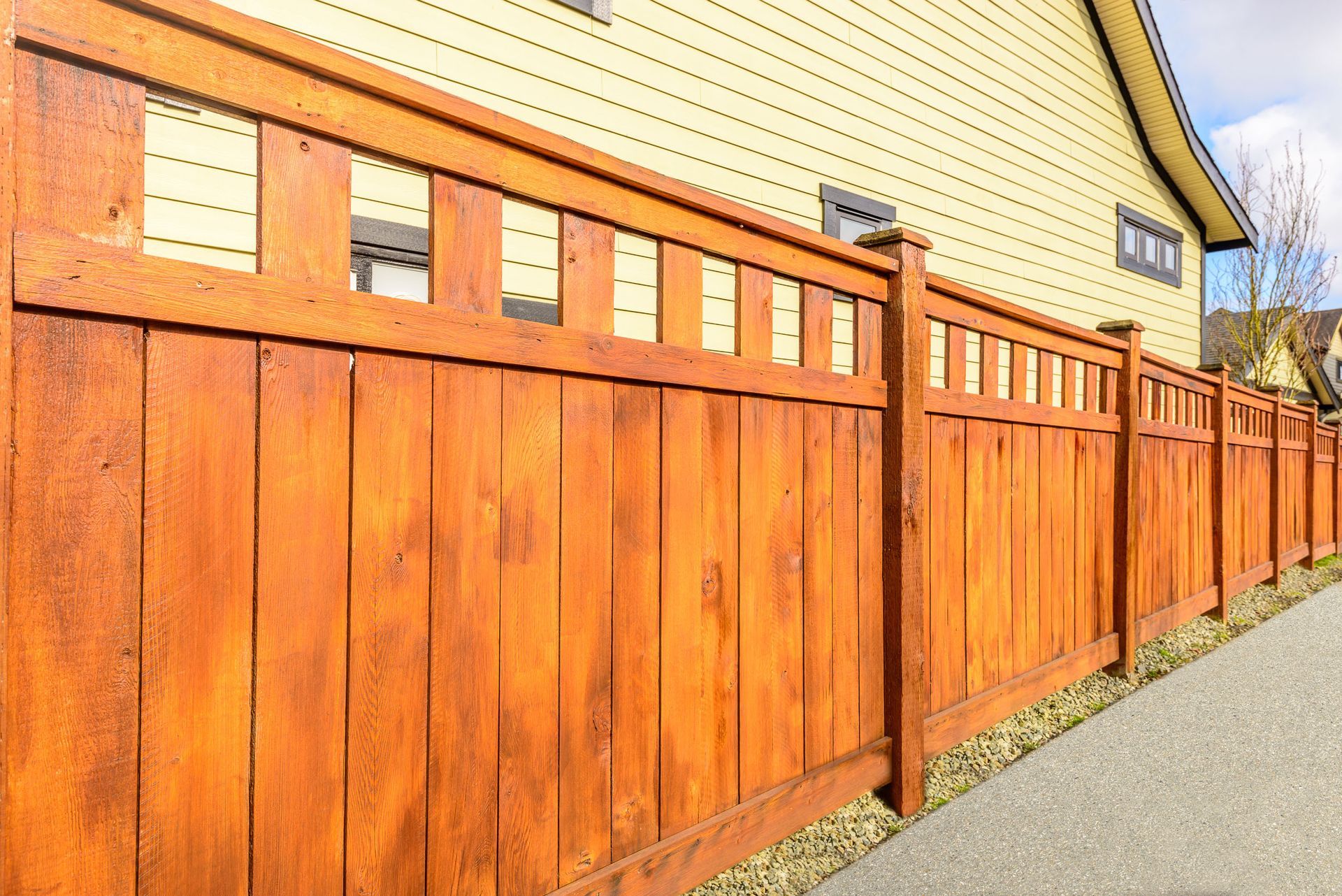
Material selection is key when determining a fence's impact on home value. Traditional materials such as wood have a timeless appeal but require regular maintenance. In contrast, modern materials like vinyl or metal require less upkeep and often boast extended longevity. Homeowners must balance the aesthetic appeal and maintenance requirements when selecting materials, considering both immediate costs and long-term benefits. The choice of material can have a profound effect on both the functionality and appearance of the property, influencing its value accordingly.
Fence Design and Architectural Integration
Homeowners face significant decisions when choosing between custom and prefabricated fence designs. Custom designs provide the flexibility to match the fence with specific architectural styles, enhancing the property’s unique features. However, these can be more costly due to specialized labor and materials. Pre-fabricated options, while more affordable, may lack the aesthetic specificity some homeowners desire. Weighing the desire for customization against budget constraints is essential for selecting the right fence design to enhance property value.
Integrating fence designs with existing landscapes and structures can seamlessly enhance a home’s aesthetic appeal. A fence that complements landscape features like gardens or pathways creates visual harmony and increases property allure. Homeowners can use fence designs to highlight specific architectural details, thereby enhancing the overall perception of the home. Strategic placements and styles can merge both natural and built elements into a cohesive masterpiece. Consequently, such thoughtful integration can profoundly impact home value, underscoring careful design considerations.
The choice of colors and finishes for fencing significantly contributes to a property's aesthetic quality and perceived value. Colors that blend with the home's color palette create visual continuity, enhancing curb appeal. Options such as staining or painting can also protect the material, adding durability while allowing customization. Homeowners should select colors and finishes that not only match the home's theme but also align with homebuyers' preferences. This enhances the property's visual appeal, raising its marketability and potential value.
Legal and Zoning Considerations
Understanding local fencing regulations is vital for any homeowner considering an installation. Regulatory bodies often have specific guidelines on fencing types, materials, and height restrictions, which can vary significantly among municipalities. Not adhering to these can result in penalties or forced modifications that would incur additional costs. Thoroughly researching and understanding these regulations ensures a smoother installation process without legal complications.
Obtaining the necessary permits for fence installation is an essential legal step in many areas. Depending on local laws, acquiring a fencing permit may require the submission of plans that detail design, dimensions, and materials. This process serves to protect both homeowners and the community by ensuring safety and compliance with neighborhood standards. Failing to obtain permits can lead to fines or forced removal, conditions detrimental to homeowner equity. Consequently, securing proper permits protects both the homeowner and the value of the property.
Easements can significantly affect fencing placement and, consequently, property value. An easement grants specific usage rights over land that could interfere with fencing plans. Homeowners need to identify any existing easements that could override personal property rights. Awareness ensures that fences are placed legally, avoiding disputes that could diminish property value. By understanding these rights, homeowners can plan installations that enhance rather than hinder property value.
Well thought out fence installations can enhance a home's value in various ways, from boosting curb appeal to ensuring security and privacy. Moreover, careful selection and integration of design, materials, and compliance with local laws can significantly impact the economic benefits. Homeowners must weigh these factors to ensure the best investment in their property. Contact Royce Bravo Security and Access Control for your expert
fence installations today.