
In the present digital age, access and security control systems have become indispensable. These systems not only deter crime but also offer convenient management of your home's security from virtually anywhere. By understanding and implementing the right systems, homeowners can significantly reduce the likelihood of property crimes, which, according to Today's Homeowner, occur nearly five times more often than violent crimes.
This article will walk you through the numerous components of home security, from understanding access control systems to leveraging smart technology. We'll explore strategies for creating a secure home environment, ensuring that your family and property remain safe. By the end of this guide, you should have a comprehensive understanding of how to optimize and maintain your home security systems.
The Importance of Access Control Systems
Understanding Access Control Systems
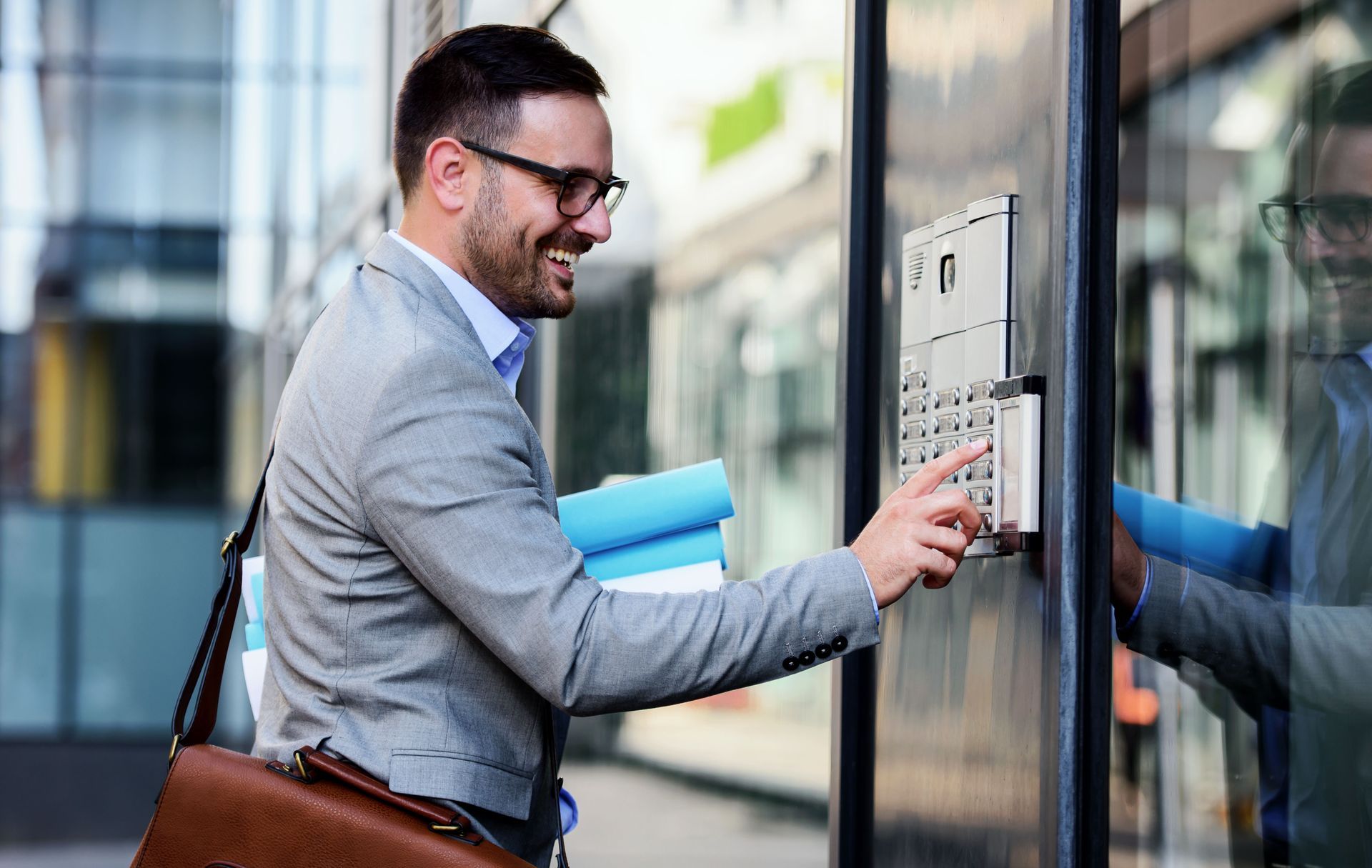
Access and security control systems serve as the frontline in securing entry points of your home. They dictate who is allowed to enter or exit, providing a critical layer of protection. Such systems often include keypads, card readers, and biometric scanners, allowing you to choose what best fits your security needs.
The implementation of access control systems comes with distinct levels and types. You can establish different access levels for various parts of your home, ensuring that sensitive areas remain restricted. This customization enhances overall security by limiting access to trusted individuals only.
Choosing the Right Access Control System for Your Home
When choosing an access and security control system, it's crucial to start by assessing your specific home security needs. Consider factors such as the size of your home, the number of entry points, and the nature of the neighborhood. This assessment will inform whether a more complex or a simpler system fits your requirements.
Another consideration is whether to install a wired or wireless system. Wired systems often provide more stability and are harder to disrupt, while wireless systems offer more flexibility and easier installation. Weighing these pros and cons is key to making an informed decision that aligns with your home's infrastructure and your personal preferences.
Cost is also a decisive factor, but it should be balanced with the features offered. Invest in a system that provides essential functions such as scalability to grow with your needs and user-friendly interfaces for hassle-free operation. Reliable support and maintenance services are equally important to ensure long-term efficacy and performance.
Incorporating Smart Home Security Technology
Smart technology has revolutionized home security, offering unprecedented control and convenience. These systems integrate with various smart devices, allowing homeowners to manage security from their smartphones. Through automation, you can customize alerts and notifications to ensure timely responses to potential security breaches.
Top smart security devices include smart cameras, video doorbells, and motion sensors. These devices provide real-time monitoring and customizable parameters to suit different security needs. Their integration with IoT enables seamless operation and a higher level of sophistication in keeping your home secure.
The convenience brought by automation cannot be overstated. Automatic locking systems, timed lighting, and remote surveillance reduce the manual effort required to secure a home. Together, these innovations enhance both the effectiveness and the user-friendliness of modern home security systems.
Strategies for Optimal Security Control
Layering Access and Security Control Systems
A layered security approach offers multiple lines of defense against potential threats. Each layer serves as an obstacle designed to deter or delay attackers, ensuring comprehensive protection. By combining physical barriers, electronic surveillance, and other deterrents, you create a robust security framework.
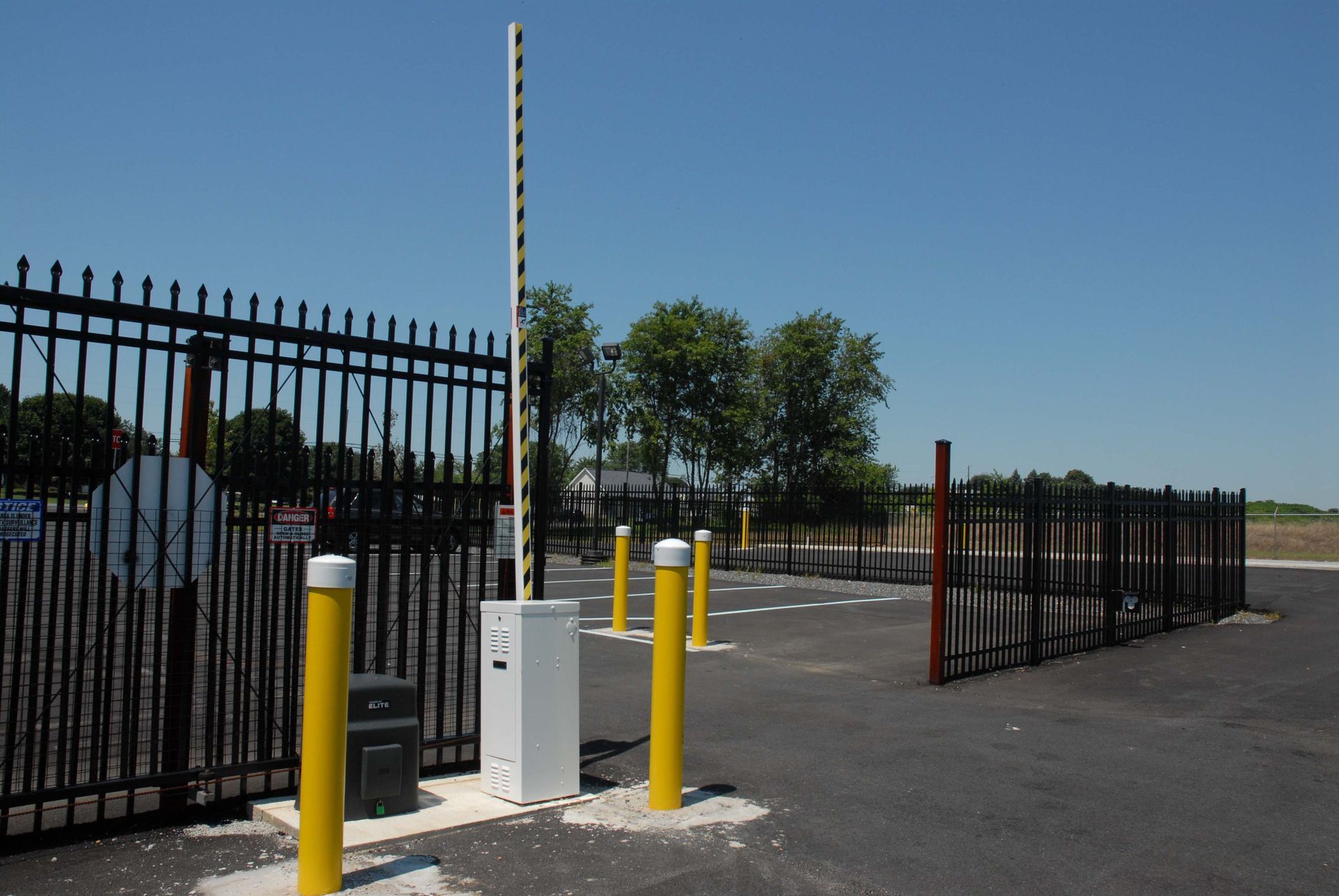
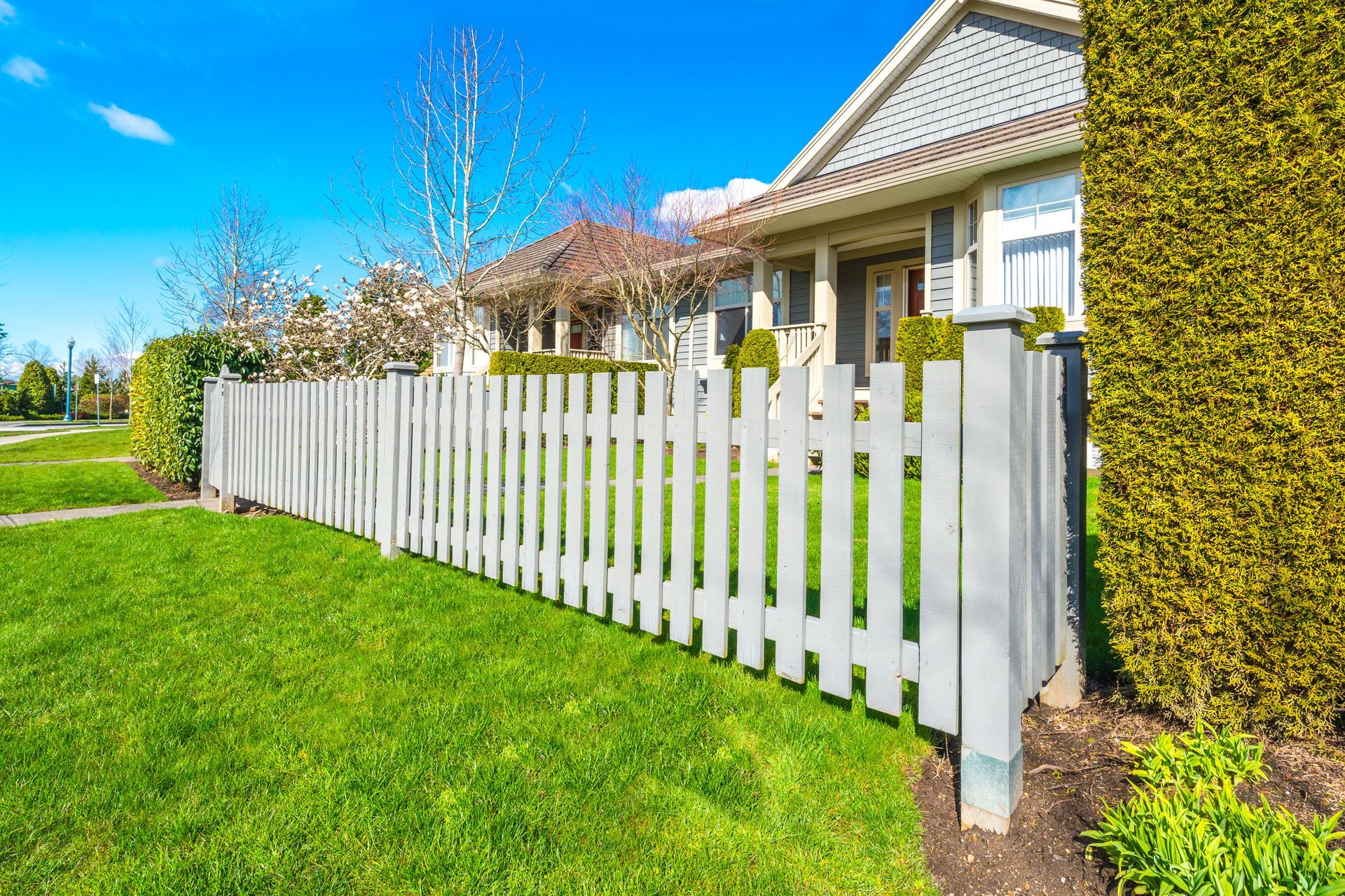
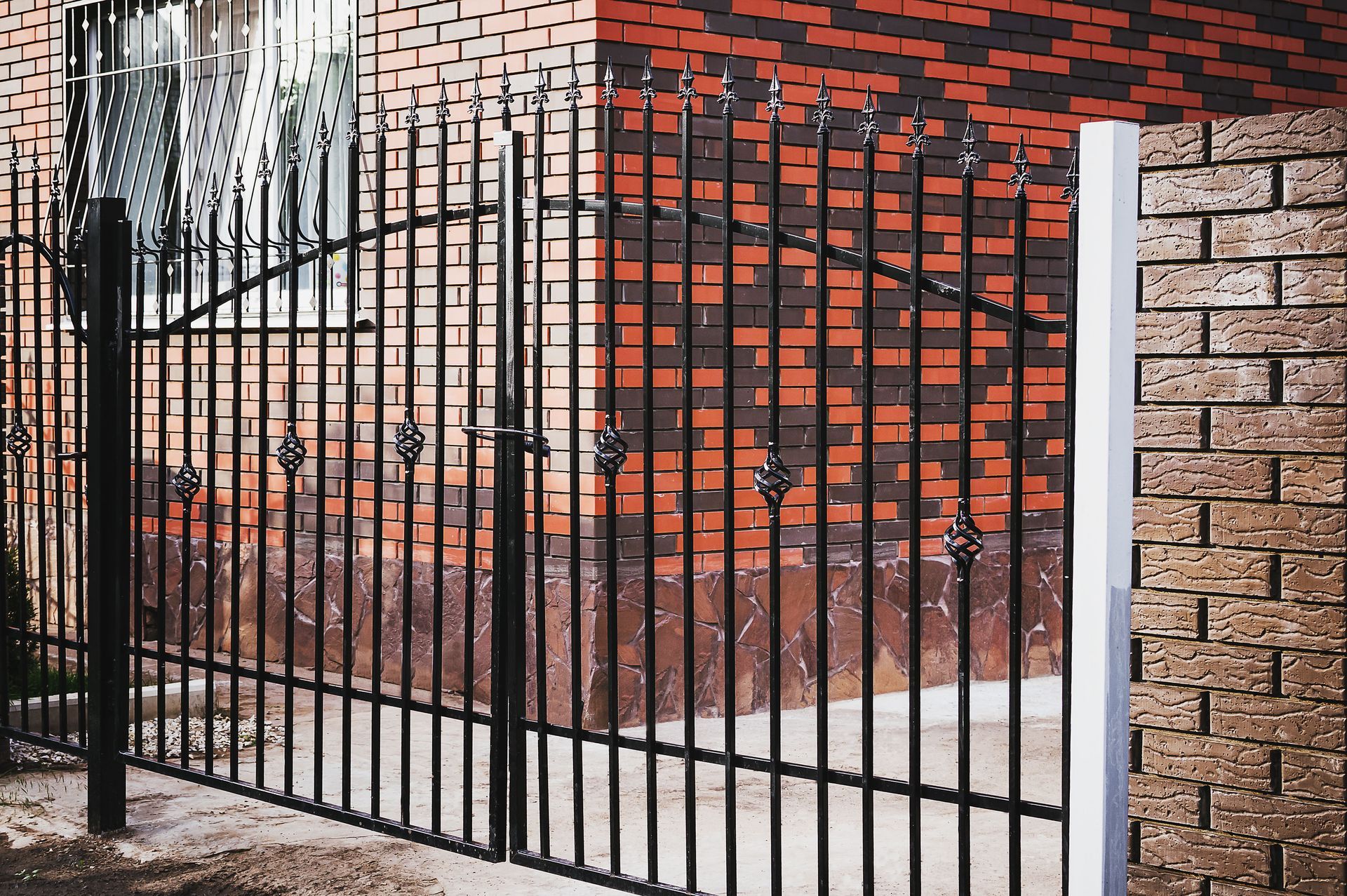
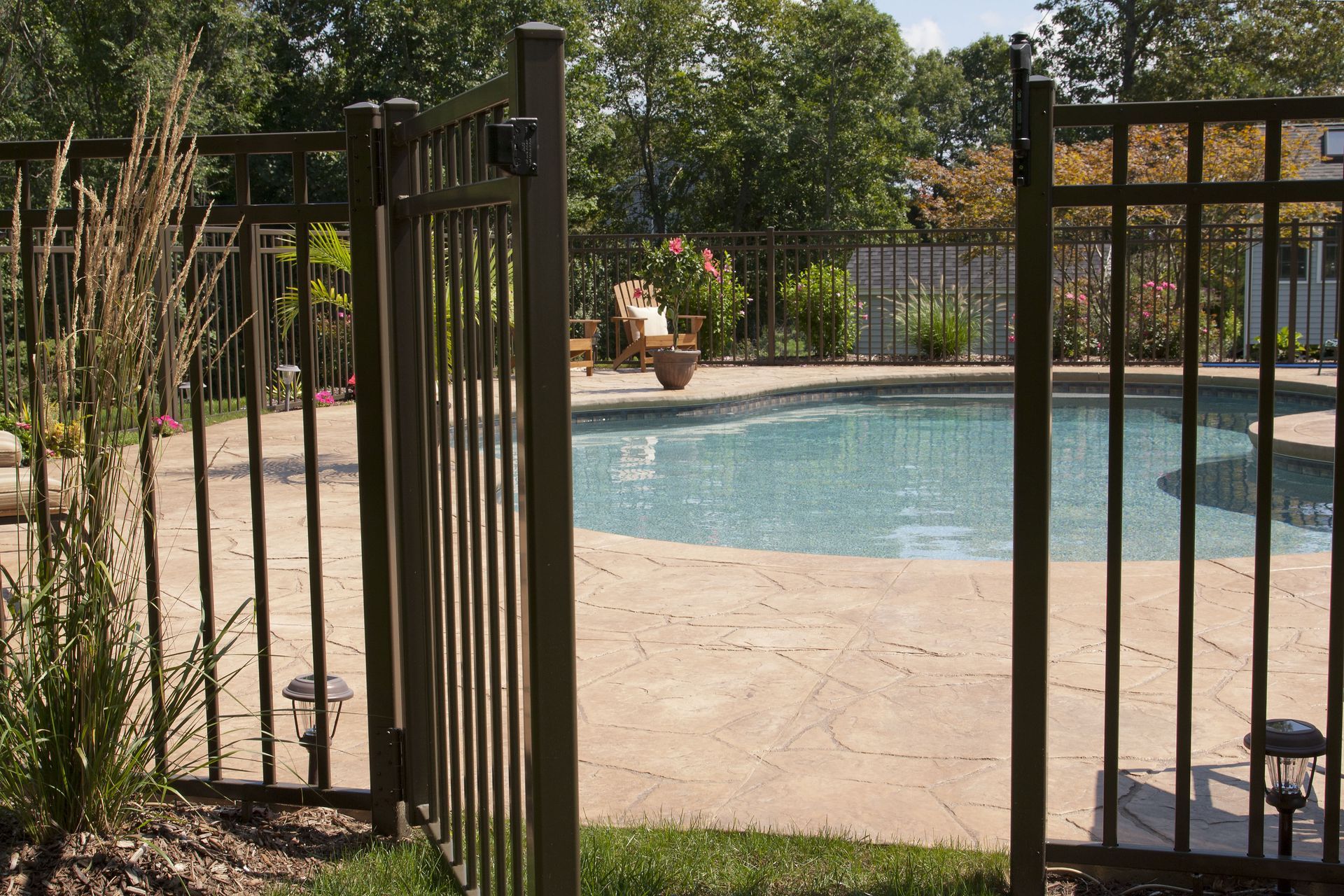
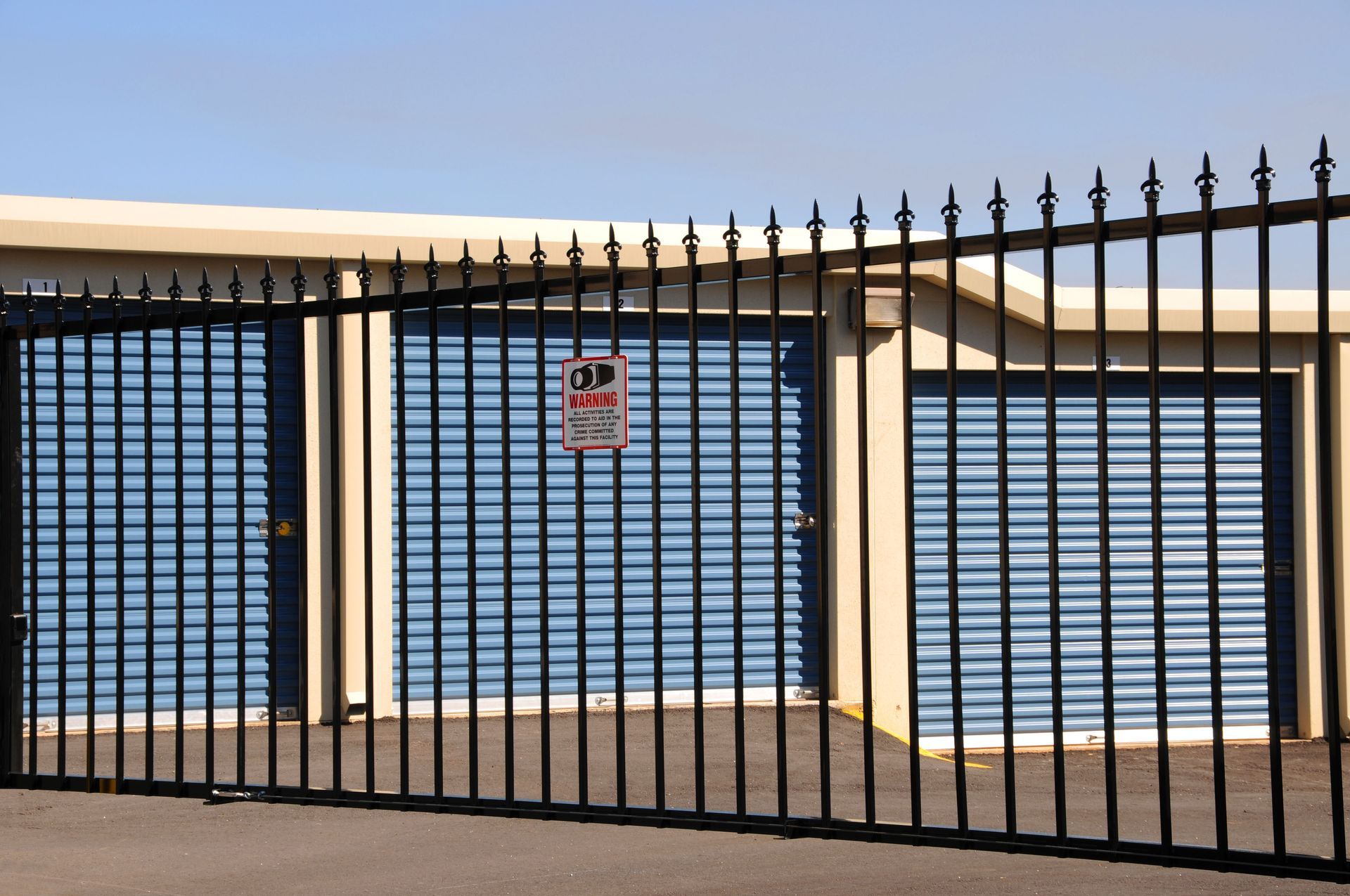
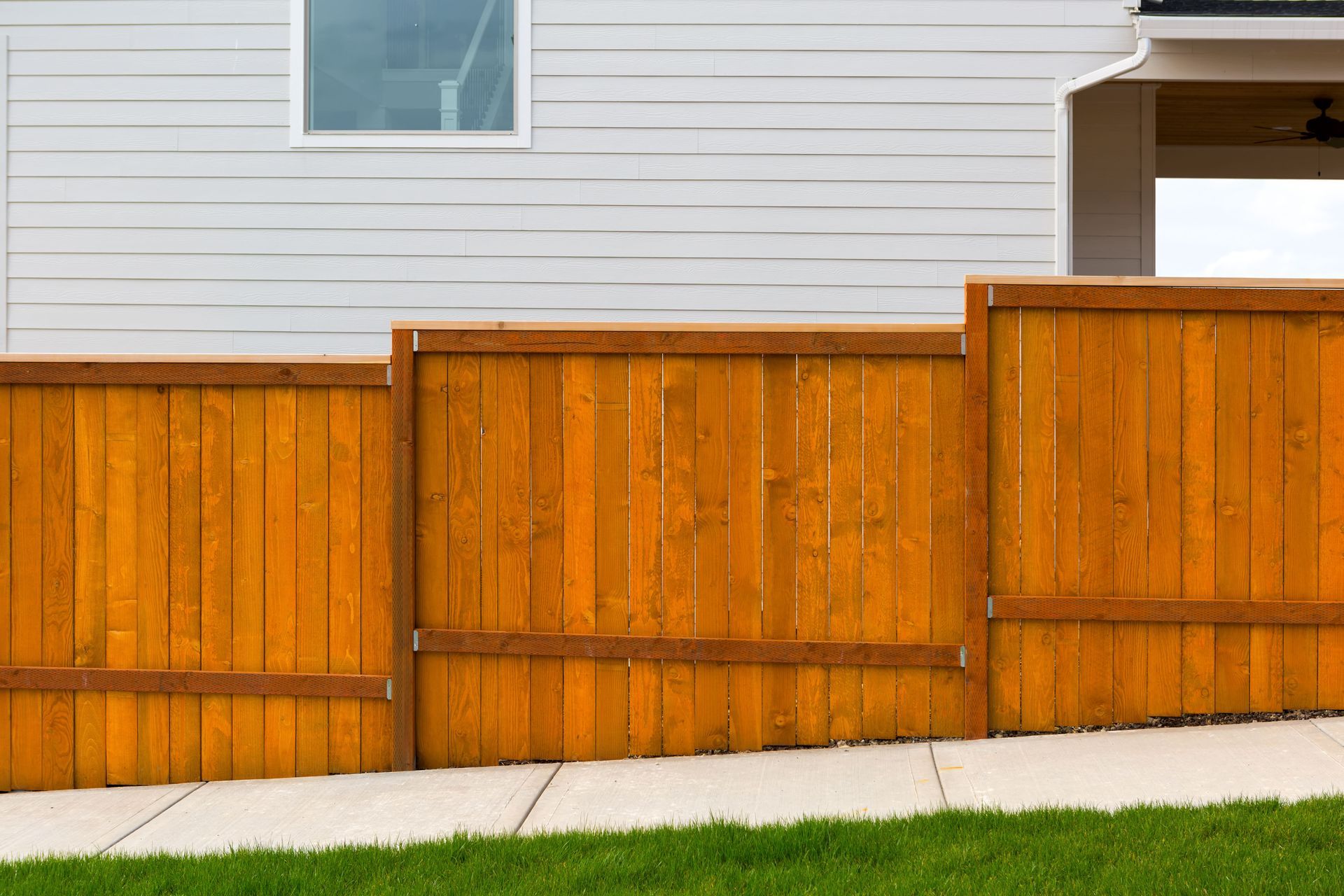
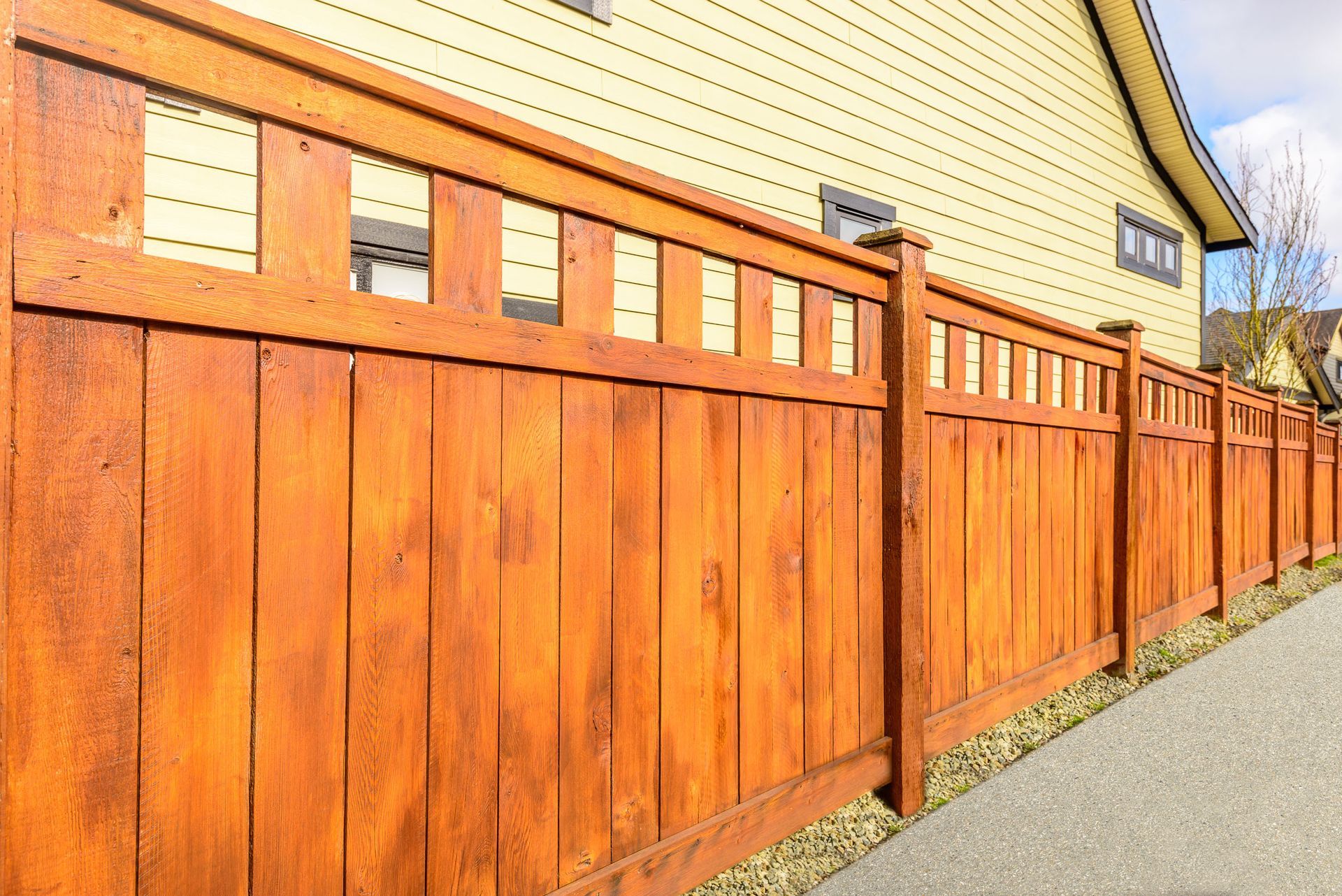
Physical barriers such as fences, locks, and gates form the first layer of defense. Deterrents like security signs and alarms add another dimension by signaling that the home is protected. These measures work together to create an inhospitable environment for potential intruders.
In addition to physical deterrents, electronic surveillance plays a crucial role. Cameras and alarms provide visibility and immediate alerts, allowing for quick responses to incidents. A room-by-room analysis can help identify specific needs and vulnerabilities within your home, enhancing the overall security posture.
Setting Up Effective Surveillance Systems
The effectiveness of a surveillance system largely depends on the types of cameras and their features. Options include fixed cameras, PTZ (Pan-Tilt-Zoom) cameras, and night vision cameras, each serving different purposes. Selecting the right combination will ensure coverage tailored to your specific security concerns.
Optimal camera placement is also crucial to maximize visibility and coverage. Installing cameras at all entrance points, blind spots, and high-risk areas significantly increases the effectiveness of your surveillance network. Strategic placement allows for comprehensive monitoring and deters potential criminal activity.
Remote monitoring capabilities extend the reach of your security system, providing peace of mind wherever you are. Integration with smartphone apps allows real-time viewing, alert customization, and easy management of your security settings. However, balancing convenience with data security and privacy remains a crucial consideration.
Maintaining and Updating Your Security Systems
To ensure long-term effectiveness, regular maintenance of security systems is paramount. Routine checks and timely updates prevent malfunctions and security breaches. Often, these procedures include software updates, system inspections, and hardware tests.
Regular testing and troubleshooting are essential to maintain system integrity. Identifying minor issues before they escalate keeps your systems running optimally. Moreover, understanding when upgrades are necessary can greatly enhance both the range and capability of your security setup.
Managing and Monitoring Home Access
Creating Secure Access for Household Members
Managing access within your home starts with defining who needs entry and when. Modern access and security control systems allow homeowners to assign unique credentials to each household member, eliminating the risks associated with shared keys or codes. This personalized approach improves accountability while ensuring convenient, uninterrupted access for those who live in the home.
Individual access profiles can also be customized based on daily routines. For example, children can be granted access during after-school hours, while other permissions remain restricted. These tailored settings help maintain security without sacrificing convenience or flexibility.
Granting Temporary Access to Guests and Service Providers
Temporary access features are one of the most practical benefits of modern access and security control systems. Instead of distributing physical keys, homeowners can issue time-limited codes or digital credentials to guests, contractors, or service professionals. This ensures access is granted only when needed and automatically expires afterward.
Scheduled access is particularly useful for recurring services such as house cleaning, landscaping, or pet care. By defining specific days and time windows, homeowners can prevent unauthorized entry outside of approved periods, reducing security risks while maintaining convenience.
Monitoring Activity and Maintaining Accountability
Activity monitoring is a critical component of effective access and security control. Many systems provide detailed access logs that record when doors are opened and which entry point was used. This transparency enhances awareness and supports informed decision-making.
Reviewing access logs allows homeowners to identify unusual patterns or potential security concerns early. Combined with real-time alerts, these insights enable swift responses to unexpected activity, strengthening overall home protection. Beyond security, activity tracking fosters accountability among users and reinforces responsible access habits.
An ongoing commitment to understanding and improving home security measures is crucial. Homeowners are encouraged to take proactive steps in assessing their current security posture and embracing the necessary enhancements. If you're ready to install a top-of-the-line access and security control system at your home, contact our team at Royce Bravo Security and Access Control today.